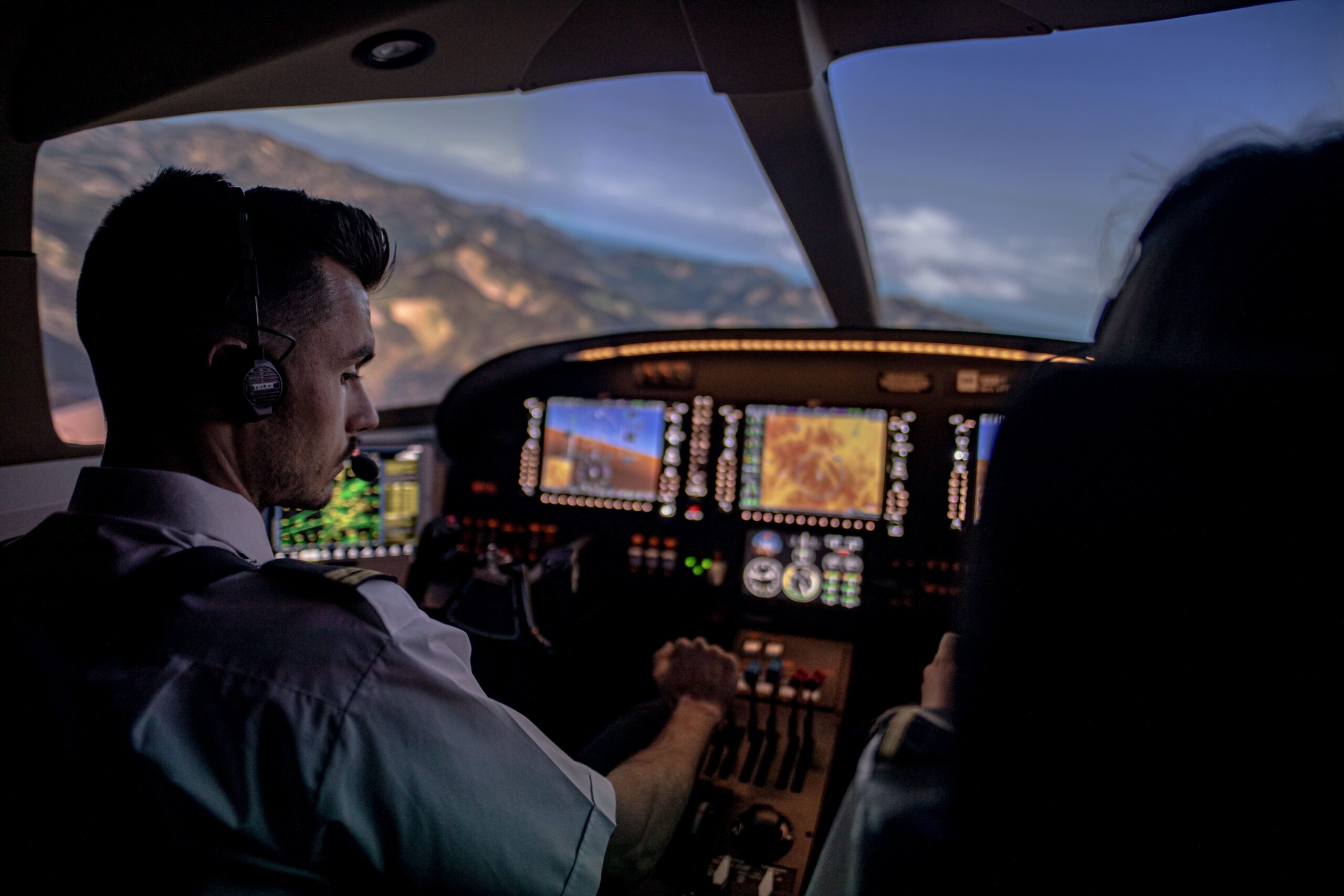
The aviation industry is facing a growing demand for qualified pilots, putting increasing pressure on the training system. This challenge is particularly relevant in the helicopter sector, where the cost of civilian training and the time required to build operational experience can make the path to becoming a professional pilot especially demanding. As airlines, operators and flight schools look to train more pilots, they also need to find ways to increase training capacity without compromising safety or quality.
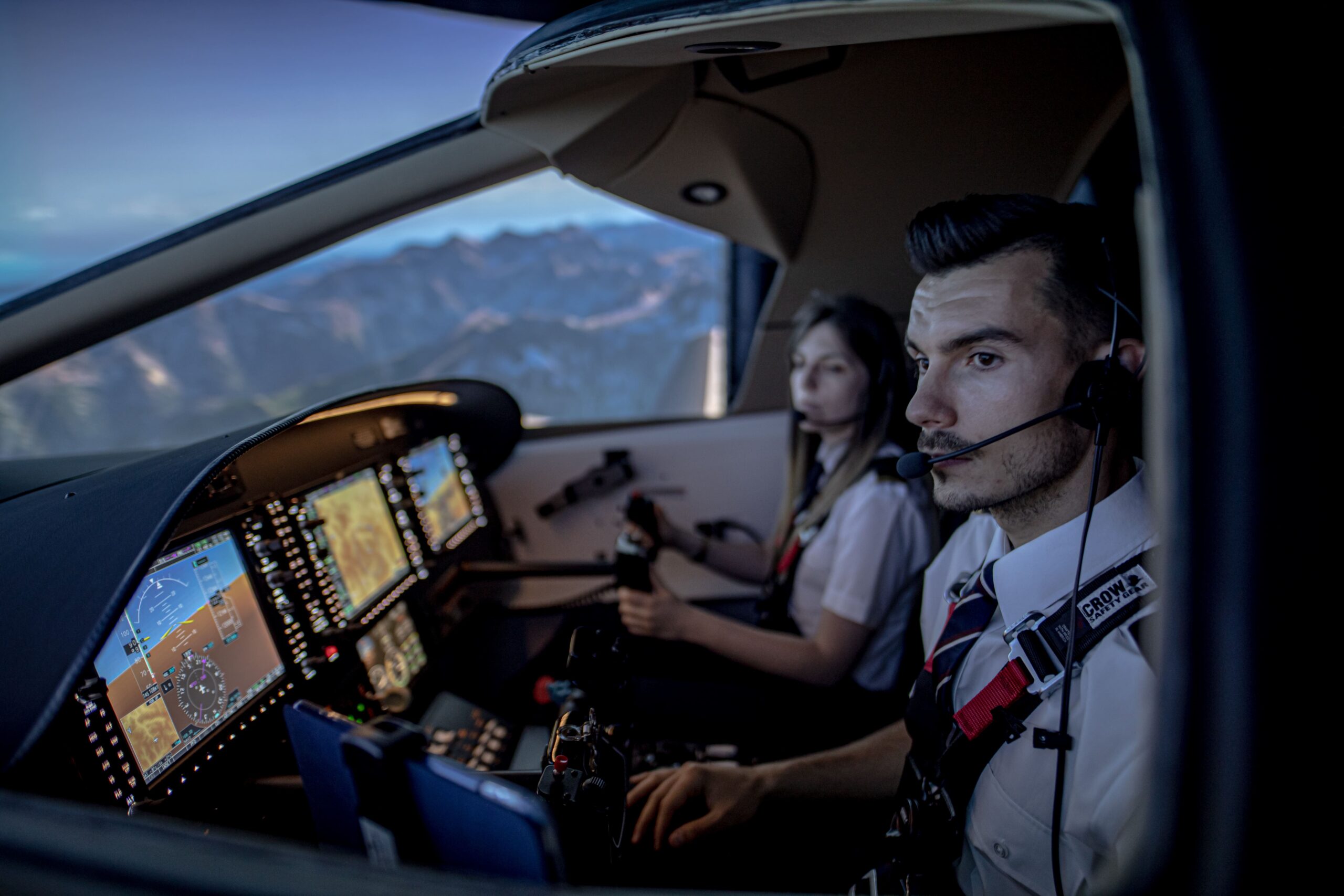
The pilot shortage in 2026: a growing challenge for aviation
The global aviation industry continues to face a shortage of qualified pilots, driven by growing demand for air transport and the need to replace experienced pilots leaving the workforce.
A growing demand for qualified pilots
In the helicopter sector, the traditional pathway from military to civilian aviation is becoming less significant, increasing the need to train pilots through civilian pathways.
However, the high cost of helicopter training and the time required to build operational experience can make this transition particularly challenging. This is especially relevant for pilots who aim to progress into specialised operations, where significant flight experience may be required.
This means the challenge is not only attracting new pilots, but also building sufficient training capacity to prepare them for professional operations.
The challenges of increasing pilot training capacity
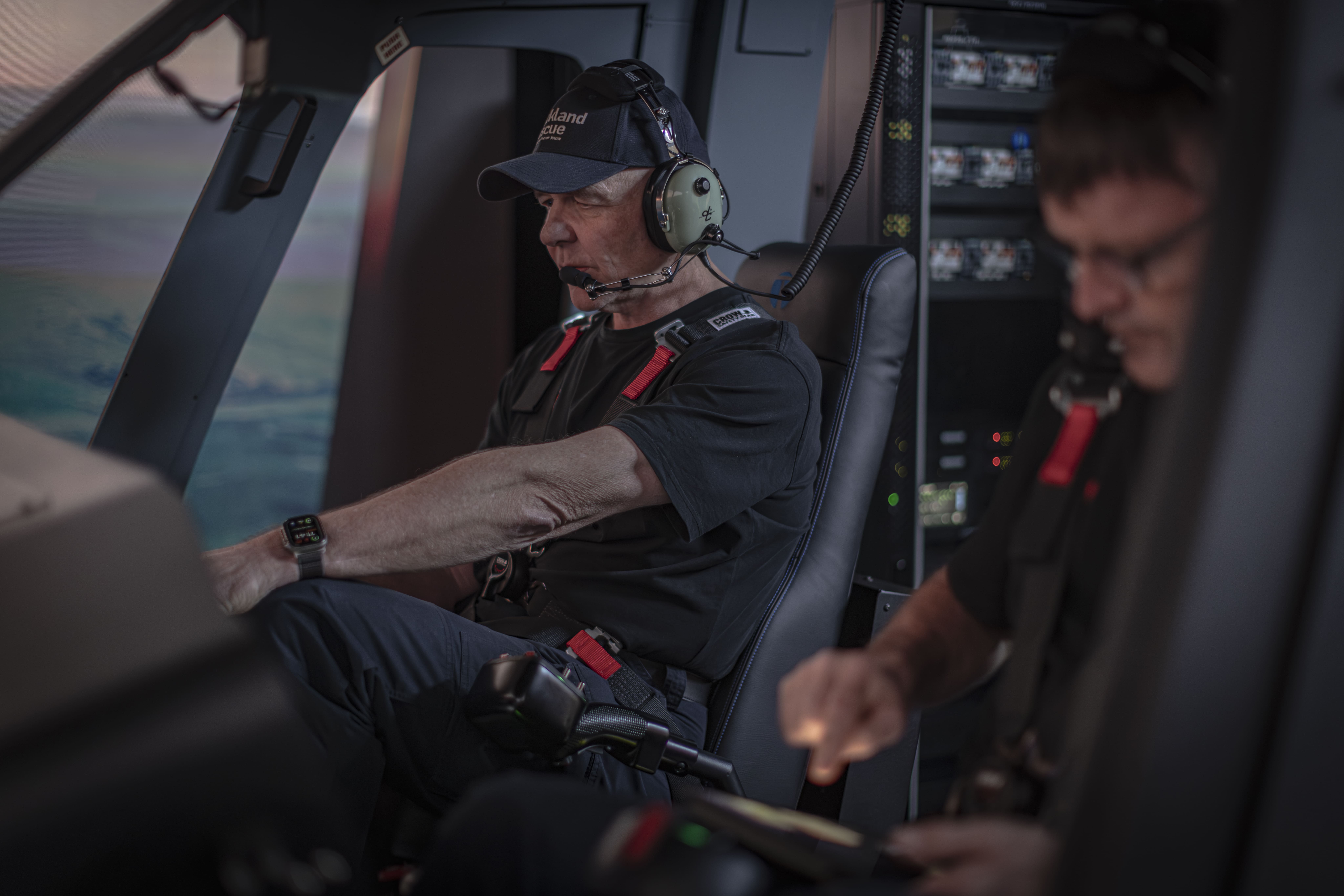
Training more pilots requires more than recruiting students. Training organisations need sufficient aircraft, instructors and training infrastructure to support the growing demand.
Limited aircraft availability
Aircraft availability is one of the main constraints in pilot training. Training fleets are limited, while aircraft also need to accommodate maintenance, operational requirements and weather-related disruptions.
As demand for pilot training increases, simply adding more students does not automatically increase the number of pilots who can complete their training. Training organisations need to make the most effective use of the aircraft and resources already available.
The pressure on training resources
The same challenge applies to instructors and training infrastructure. As student numbers grow, organisations need to accommodate more training sessions without compromising the quality of instruction.
This makes training capacity and efficiency increasingly important for flight schools and operators looking to respond to the growing demand for qualified pilots.
How simulation can accelerate pilot training
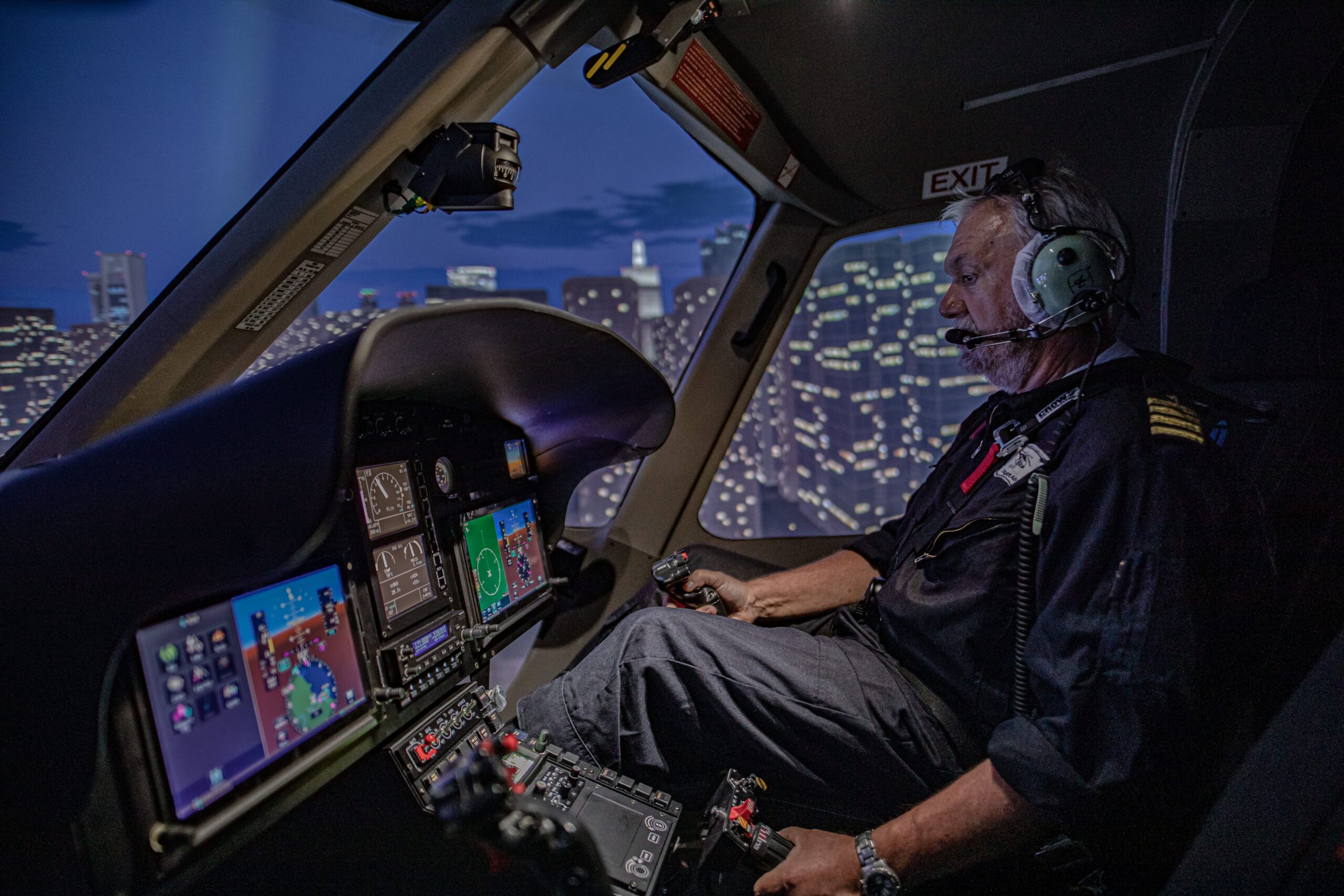
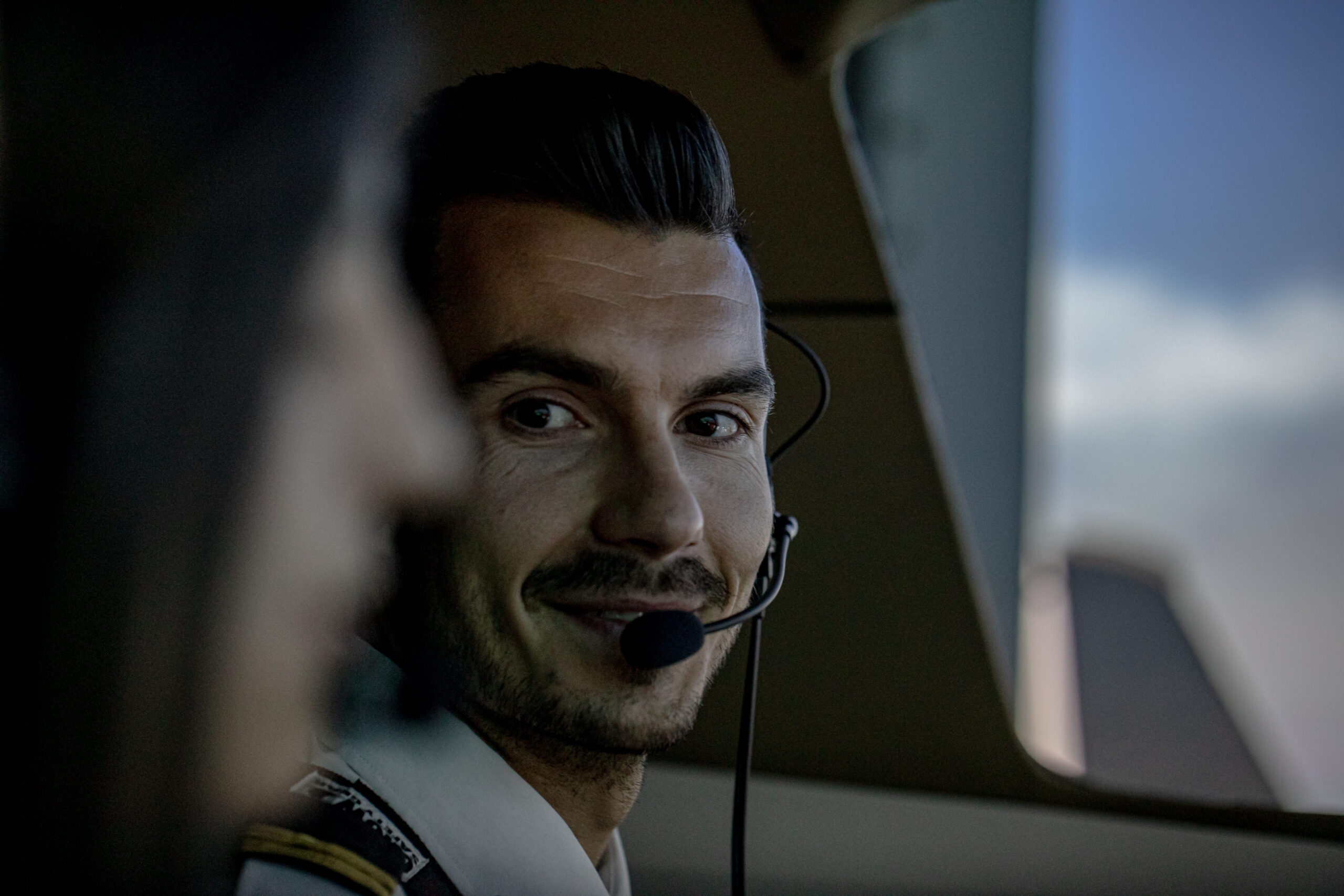
Flight training simulation can help organizations increase training capacity by moving appropriate exercises into a controlled synthetic environment. This allows pilots to practice more frequently while reserving valuable aircraft time for the parts of training that require real flight.
Repeating procedures and emergencies
One of the main advantages of simulation is the ability to repeat training exercises without the operational constraints of real flight.
Pilots can practice aircraft procedures, system failures and emergency situations multiple times, allowing them to build the appropriate response before encountering similar situations in the aircraft.
This is particularly valuable for scenarios that are difficult or unsafe to reproduce repeatedly in real flight. entrol has previously highlighted the ability to practice emergencies and complex situations in a safe environment as one of the main advantages of simulation.
Making real flight hours more effective
Simulation can be integrated into the wider pilot training programme, allowing pilots to practice procedures, systems and emergency scenarios in a controlled environment before applying their skills in operational conditions.
This can help organizations make better use of available aircraft time, focusing each training session on the objectives that are most relevant to the pilot and the operation.
The combination of simulator-based and aircraft-based training can therefore make the overall training process more efficient, flexible and repeatable, while maintaining the level of proficiency required for safe operations.
Simulation solutions for increasing training capacity
Different training organizations have different requirements, and not every training task requires the same level of simulation. FNPTs, FTDs and Full Flight Simulators (FFSs) can all contribute to increasing training capacity, depending on the aircraft, training objectives and regulatory requirements.
From FNPTs and FTDs to FFS
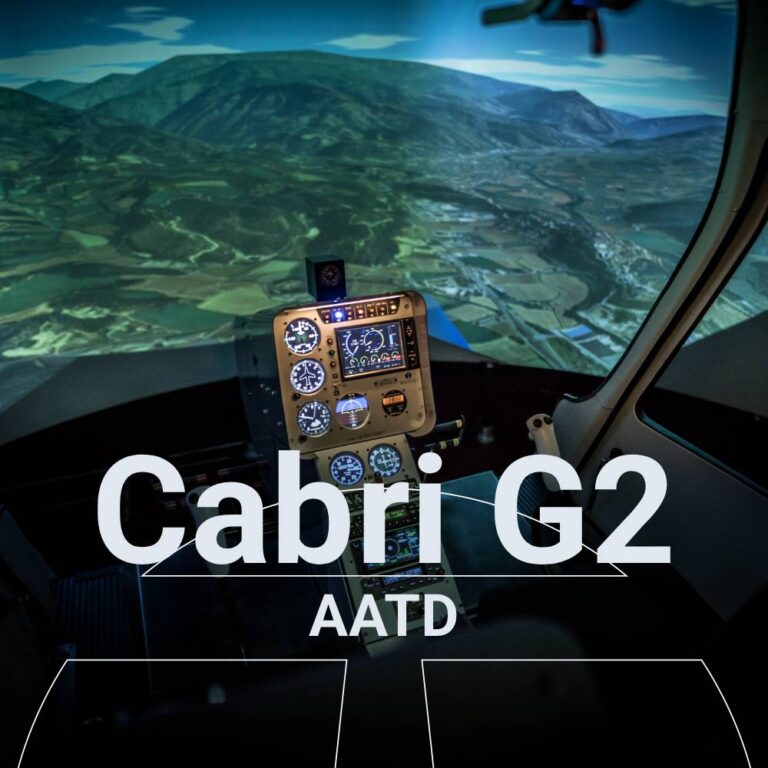
FNPTs can provide an efficient environment for initial and procedural training, while FTDs offer a higher level of aircraft-specific training for operators.
For more demanding training requirements, Full Flight Simulators (FFSs) provide a highly realistic reproduction of the aircraft and its operating environment. Their high level of fidelity makes them particularly valuable for type rating, recurrent training, proficiency checks and complex emergency scenarios, depending on the applicable regulatory framework.
Together, these different types of training devices allow organizations to select the appropriate level of simulation for each training requirement and make better use of their available training resources.
Increasing access to high-fidelity training
As the pilot shortage 2026 continues to put pressure on the aviation training system, access to high-fidelity simulation becomes increasingly important.
FFSs allow pilots to practice complex scenarios repeatedly without relying exclusively on operational aircraft. For operators, this can support recurrent training, standardize procedures across crews and provide additional opportunities to maintain proficiency.
At the same time, having simulation available at or close to the operator’s facilities can reduce travel and improve training flexibility. This is particularly relevant for organizations that need to train large numbers of pilots or maintain the proficiency of crews across multiple aircraft.
Simulation as part of the solution to the pilot shortage
The pilot shortage 2026 is increasing the pressure on aviation training organizations to expand their capacity while maintaining high standards of safety and quality. Simulation can help address this challenge by making training more efficient, flexible and accessible.
At entrol, we develop certified flight simulation solutions tailored to the aircraft, training objectives and operational requirements of each customer.
Contact entrol to explore how simulation can help expand your pilot training capabilities.